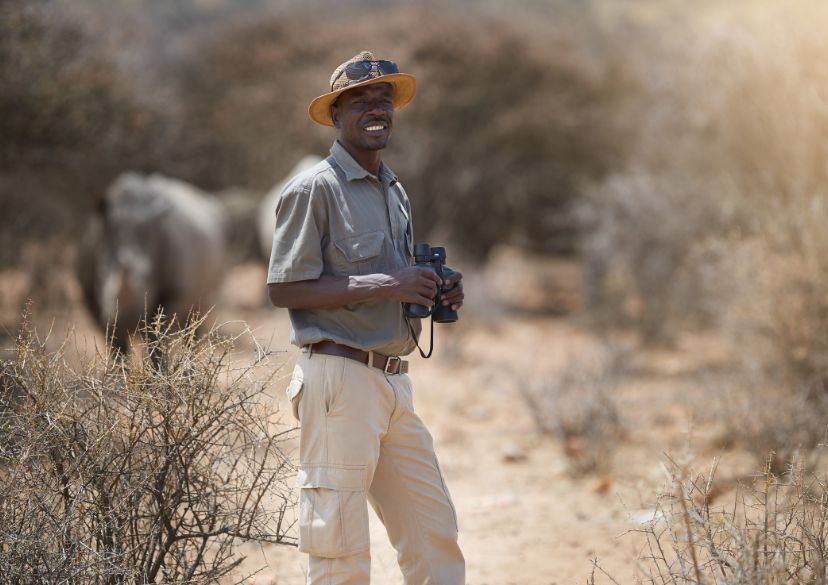
Serengeti plains—dry season
Tanzania shines year-round, yet timing your trip elevates the experiences you cherish most. Safari enthusiasts typically favour June to October for sun-soaked game drives and concentrated wildlife sightings, while November to March reveals verdant plains alive with migratory birds and newborn animals.
Whether you crave the drama of the Great Migration, the serenity of green-season safaris, or the warm breezes of Zanzibar’s beaches, this guide helps you match your travel ambitions to Tanzania’s seasonal rhythms.
Dry Season (June – October)
Peak SafariThis peak safari window delivers sunny days, clear skies, and minimal rainfall. Wildlife clusters around remaining water sources, particularly in the Serengeti, Ngorongoro Crater, and Tarangire, making sightings effortless. It is also the prime time for dramatic river crossings during the Great Migration.
- Sunny, pleasant weather with minimal rainfall—perfect for classic safaris.
- Wildlife congregates around waterholes in the Serengeti, Ngorongoro, and Tarangire.
- June to October aligns with the Great Migration river crossings and predator-prey action.
Green Season (November – March)
Quieter & AffordableThe rains transform Tanzania into a lush paradise. Migratory birds descend, young wildlife explores the plains, and photographers revel in dramatic skies. While some remote roads can be muddy, major parks remain accessible and blissfully uncrowded, with enticing off-season rates.
- Lush, emerald landscapes ideal for dramatic photography and birdwatching.
- Migratory birds flock to Tanzania’s wetlands; newborn wildlife flourishes.
- Lower visitor numbers and accommodation rates deliver quieter, more affordable safaris.
Explore the Best Seasons in Tanzania
June – October
Excellent wildlife viewing; peak Great Migration period. Sunny days, clear skies, minimal rainfall.
Experience the Great Migration Year-Round
The Great Migration never stops—over two million wildebeest, zebras, and gazelles travel between the Serengeti and Maasai Mara in search of rains and fresh grazing. No matter when you visit, you can witness a compelling chapter of this natural spectacle.
Ndutu & Central
Herds spread across Ndutu, Kusini, and central Serengeti; long rains refresh plains.
River Crossings
Peak spectacle—herds cross Mara River; dramatic predator-prey action.
Southward Move
Migration herds move south toward Ndutu; short rains revive grasslands.
Calving Season
Southern Serengeti—newborn wildebeest; predators abound; green-season safaris.
Best Time for Beaches & Mountains
Dreaming of Zanzibar’s powdery sands or a summit bid on Kilimanjaro? June to October and January to February deliver warm, dry days and calm seas for the coast, while also providing reliable trekking conditions for Tanzania’s iconic peaks.
Zanzibar & Coast
June–October and Jan–Feb: warm, dry weather. Calm seas invite snorkelling, diving, and dhow sailing.
Kilimanjaro Treks
Clear views and stable conditions in June–October and Jan–Feb windows.
Select the season that suits your interests—Tanzania’s coast and mountains shine year-round.
Quick Tips for Choosing Your Dates
- •Coordinate with migration movements for unforgettable safari scenes—river crossings mid-year, calving in February.
- •Combine safari with Zanzibar? Target June–October or January–February for sunshine and placid waters.
- •Pack adaptable layers: cool mornings and evenings give way to warm afternoons regardless of season.
- •Tailor your travels to your passions—Tanzania will meet you with spectacle, serenity, and unforgettable moments whenever you arrive.
Elevated Tanzania Safaris recommends the June to October high season for unmatched wildlife density, yet the green season from November to March captivates travellers with serene parks and vibrant scenery. Let your goals guide you—Tanzania rewards every season.
Plan Your Safari