Region
Northern
Best time to visit
June–September (dry, clear views); good game viewing year-round in the crater
Key wildlife
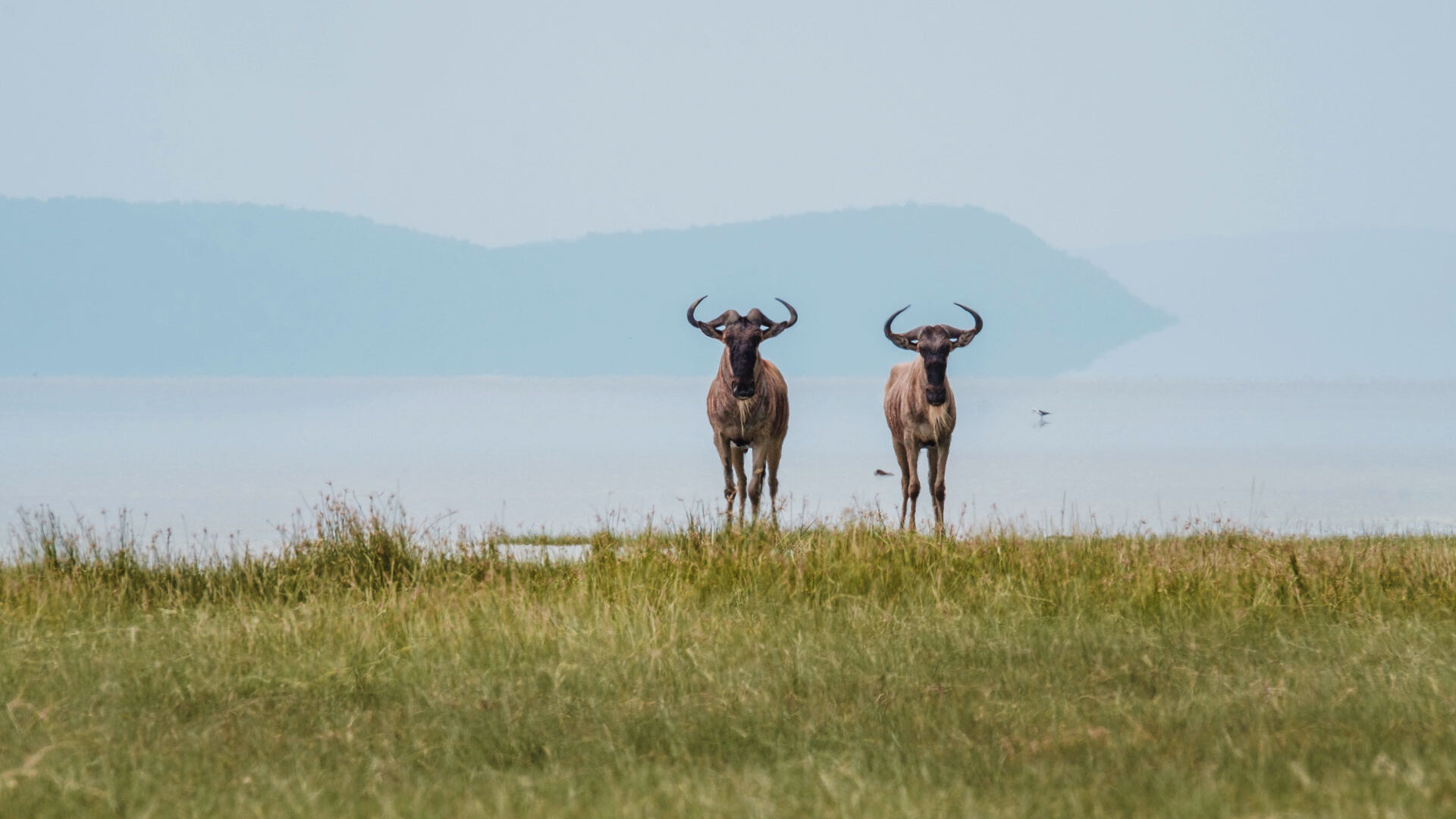
Black rhino, lion, elephant, buffalo, hyena, flamingo, wildebeest, zebra
A UNESCO mixed World Heritage property centred on the world’s largest intact volcanic caldera—dense wildlife, Maasai pastoralism, and Olduvai Gorge’s human origins story.
What Is Ngorongoro Conservation Area Popular For ?
Often called Africa’s Eden, the Ngorongoro Conservation Area in northern Tanzania spans 8,300 square kilometres of protected wilderness where wildlife, nature, and people coexist in rare harmony.
A designated UNESCO World Heritage Site, the area is named after the spectacular Ngorongoro Crater, a vast volcanic caldera that shelters around 25,000 large animals, including lions, elephants, and giraffes.
This multi-use landscape supports both conservation and sustainable human development, making it one of the few places on Earth where such balance is achieved. Visitors can hike to the rim of Olmoti Crater for sweeping views or explore the flamingo-filled soda lake at Empakaai.
A safari in Tanzania isn’t complete without exploring this natural wonder—one of Africa’s Seven Natural Wonders and a true highlight of Safari Tours in Tanzania.
Why go
Highlights of this destination
Crater floor game viewing
Compact area with high densities of large mammals and classic Big Five potential.
Maasai culture
Multiple land-use reserve where pastoralism and conservation coexist.
Olduvai Gorge
Visit one of the world’s key palaeoanthropological sites (itinerary permitting).
What to do
Activities & experiences
Crater descent
Full- or half-day game drive on the crater floor
Cultural visits
Maasai boma experiences near the highlands
Highland walks
Guided walks in forested crater rim areas
Gallery