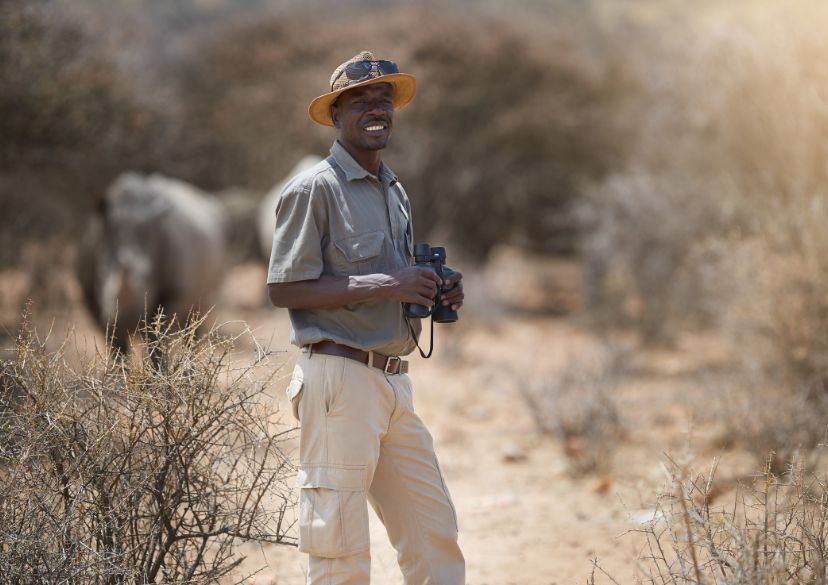
Serengeti National Park

What Makes The Serengeti So Extraordinary?

The Serengeti mesmerizes with its vast plains, golden horizons, and skies that seem to stretch forever. Its power lies in its quiet grandeur and the life it nurtures daily.

In the Serengeti, life flows with nature’s rhythm, and we invite you to share in its magic. With our Serengeti Safari Packages, you’ll experience an iconic land where breathtaking landscapes and incredible wildlife create lasting memories.

With us, the Best Safaris in Serengeti become a unique journey into Tanzania’s wilderness. Thrilling game drives and serene moments beneath the expansive African sky are at the core of our Tanzania Safari Tours, crafted to immerse you in Serengeti’s raw beauty and timeless energy. Let’s explore this magnificent ecosystem together.

Serengeti National Park

Adventures in Northern

Where Is Serengeti Located?

Situated in the northern region of Tanzania, the golden plains of Serengeti National Park stretch for almost 15,000 square kilometres. The park is located completely in the northeastern part of the Simiyu region and the eastern Mara region.

The landscapes of the Serengeti Ecosystem are extremely varied. They range from savannahs and open grasslands to hilly woodlands and riverine forests. This diversity is because of the extreme weather conditions, in particular the combination of heat and wind.

The habitats of the Serengeti are believed to have originated from a series of volcanoes. The volcanic activity helped shape the features of the ecosystem by adding craters and mountains to the surroundings.

The Mara River flows through the Kenyan highlands to Lake Victoria, where terrific migration crossings happen. This is the only river in the ecosystem that flows permanently, and it plays a key role in many Serengeti Safari Tours.

The Serengeti's diverse ecosystem is home to hundreds of native and non-native plant species spread across its vast landscape.

  • Over 300 species of plants are recorded in Serengeti.

  • 15 alien species of plant are distributed throughout the park as well.

Acacia trees and sausage trees are the two plants that Serengeti is famous for. When you’re out on game drives in the vast savannahs, you’ll be able to see them right from your safari vehicle.

  • Woodlands are commonly found in the northern region of Serengeti, as this section is covered by hills.

  • Lush savannahs with some acacia trees, make up the surroundings of the Western Corridor. The Grumeti River also makes its way through these surroundings.

Birdwatching Experience in Serengeti

Even if you’re not into birds now, a Serengeti birdwatching experience might change that. With over 500 bird species, the park is a true haven for birders.

Highlights include:

  • Secretary bird

  • Kori bustard

  • Green and yellow Fischer’s lovebird

The Serengeti-Mara ecosystem is home to five endemic species found nowhere else on Earth.

  • For the best birdwatching experience, visit between November and April, during nesting season.

  • Migratory birds from Europe and North Africa are also present during this time.

Want a more extensive birding trip? Combine your Serengeti Trip with a visit to Lake Manyara.

Quick facts

Best time to visit

June–October (river crossings north); December–March (calving, southern plains)

Key wildlife

Lion, leopard, cheetah, elephant, wildebeest, zebra, giraffe, hyena, Birds

Highlights

Great Migration

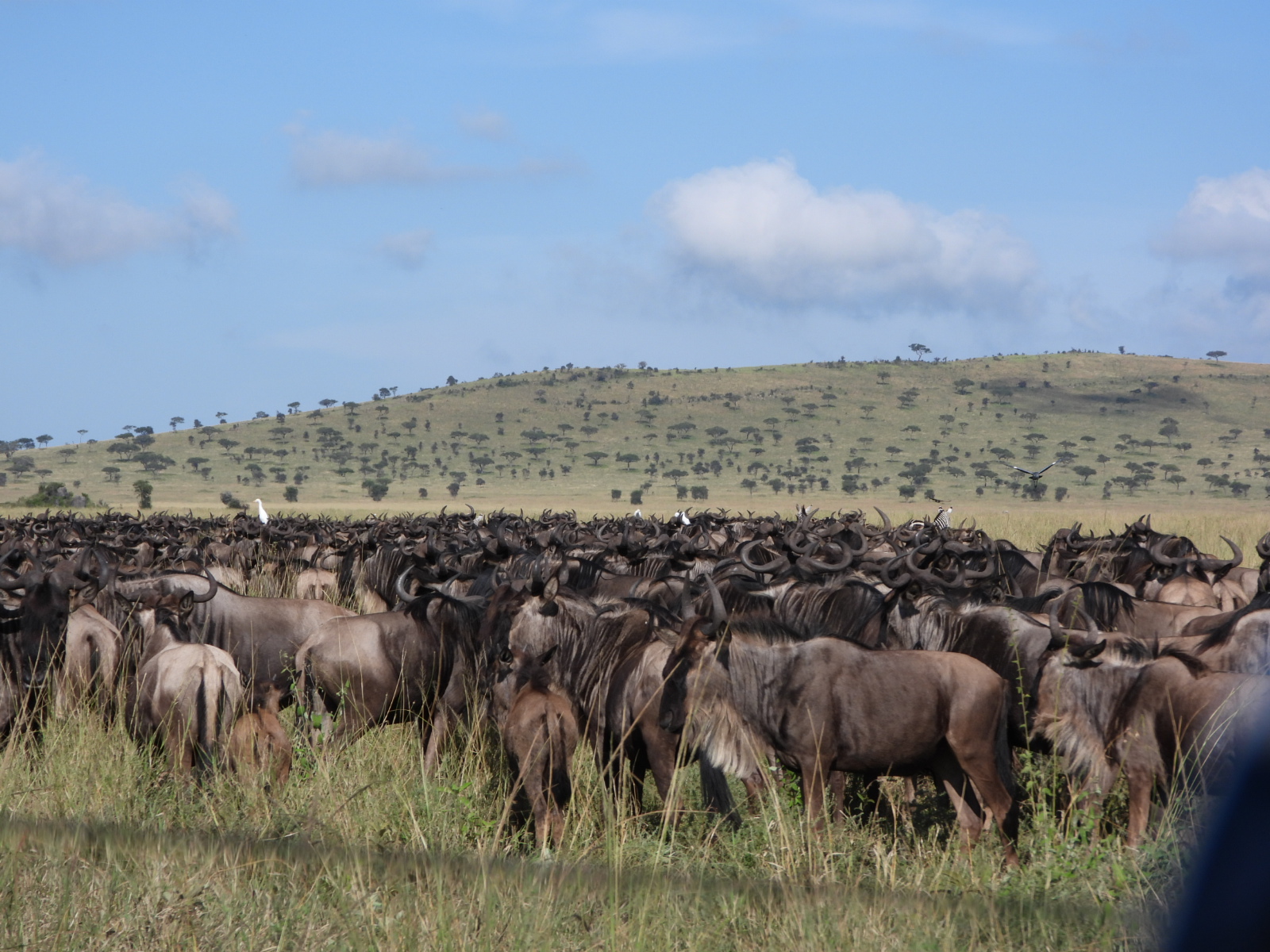
Follow the seasonal movement of wildebeest and zebra—one of nature’s largest remaining terrestrial migrations.

Big cats

Strong populations of lion, leopard, and cheetah across open plains and kopjes.

Balloon & bush breakfasts

Many lodges offer hot-air balloon flights and classic sunrise game drives.

Activities

  • Game drivesFull-day and morning/afternoon 4×4 safaris
  • Hot-air balloonSunrise flight over the plains (seasonal)
  • PhotographyGolden light and dramatic skies

Gallery
Gallery — 1
Gallery — 2