A safari-ready kit is more than a hat, backpack, and camera. With charter flights limiting luggage to around 15 kg (33 lbs), every item must earn its spot. Pack smart so you can focus on unforgettable wildlife encounters instead of overstuffed bags.
Essential Documents & Accessories
- Passport, visa (or eVisa), and travel insurance policy.
- Vaccination certificates (yellow fever if applicable) and emergency contacts.
- Safari itinerary, flight confirmations, and copies of key documents stored separately.
- A travel guidebook or map to shape each day's adventure.
Clothing Must-Haves
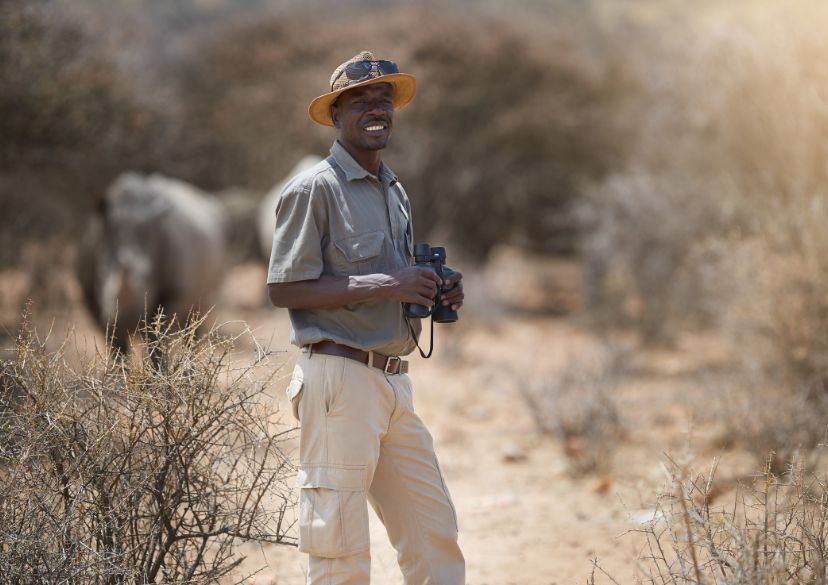
Lightweight, breathable layers in neutral shades help you blend into the bush while staying comfortable. Prioritize clothing that resists dust, dries quickly, and shields you from sun and insects.
- Lightweight, breathable, neutral-toned shirts and trousers (khaki, beige, olive).
- Moisture-wicking long sleeves and pants for sun and insect protection.
- Wide-brimmed hat, buff or scarf, and a light fleece or jacket for cool evenings.
- Comfortable, sturdy walking shoes for game drives and walking safaris.
Personal Accessories & Equipment
Days can be hot and evenings surprisingly chill. Pack layers, sun care, and the right gear to capture Tanzania's wildlife without worrying about dust or rain.
- Sunglasses with UV protection and high-SPF sunscreen.
- Insect repellent, lip balm, and after-sun lotion.
- Light jacket or rain shell—especially useful in the green season (Nov–Mar).
- Binoculars, camera with zoom lens, extra batteries, and memory cards.
Baggage Needed for a Tanzania Safari
- Soft-sided duffle bag or holdall (most safari flights limit luggage to 15 kg / 33 lbs).
- Small daypack for camera gear, snacks, and layers.
- Padded camera bag and toiletry kit.
- Travel pouch or money belt for passports, visas, and essential documents.
- Compact first-aid kit with personal medications.
What to Plan As Per the Weather
Weather shapes your safari wardrobe. Match your suitcase to the season to stay comfortable from dawn game drives to campfire nights.
Dry Season (June – October)
Pack lightweight layers, sandals, and sun protection for warm days and cool nights.
Green Season (November – March)
Carry a light rain jacket for afternoon showers and breathable fabrics for humid conditions.
What Not to Pack
Leaving bulky or high-value items at home lightens your load and keeps focus on the safari experience. Many camps offer laundry services, so overpacking clothes is rarely necessary.
Final Tips for a Seamless Safari
- •Roll clothing and use packing cubes to maximize soft-sided duffle space.
- •Bring a reusable water bottle—camps supply filtered water and appreciate reduced plastic waste.
- •Prioritize sun protection, insect repellent, and binoculars so you can fully enjoy the wildlife action.
Thoughtful packing keeps your attention on Tanzania's breathtaking landscapes and wildlife. Travel light, stay prepared, and let the adventure define the memories you carry home.
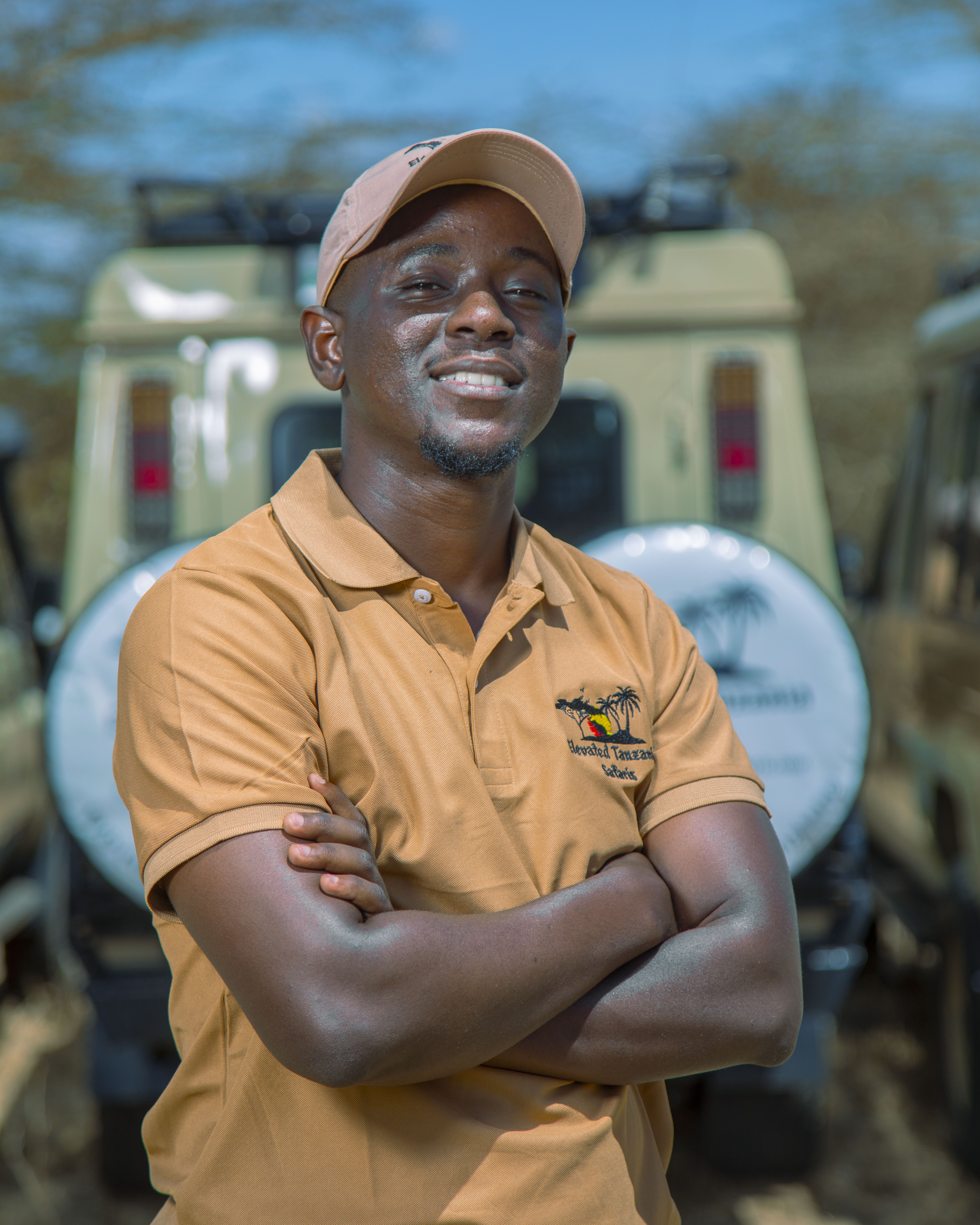
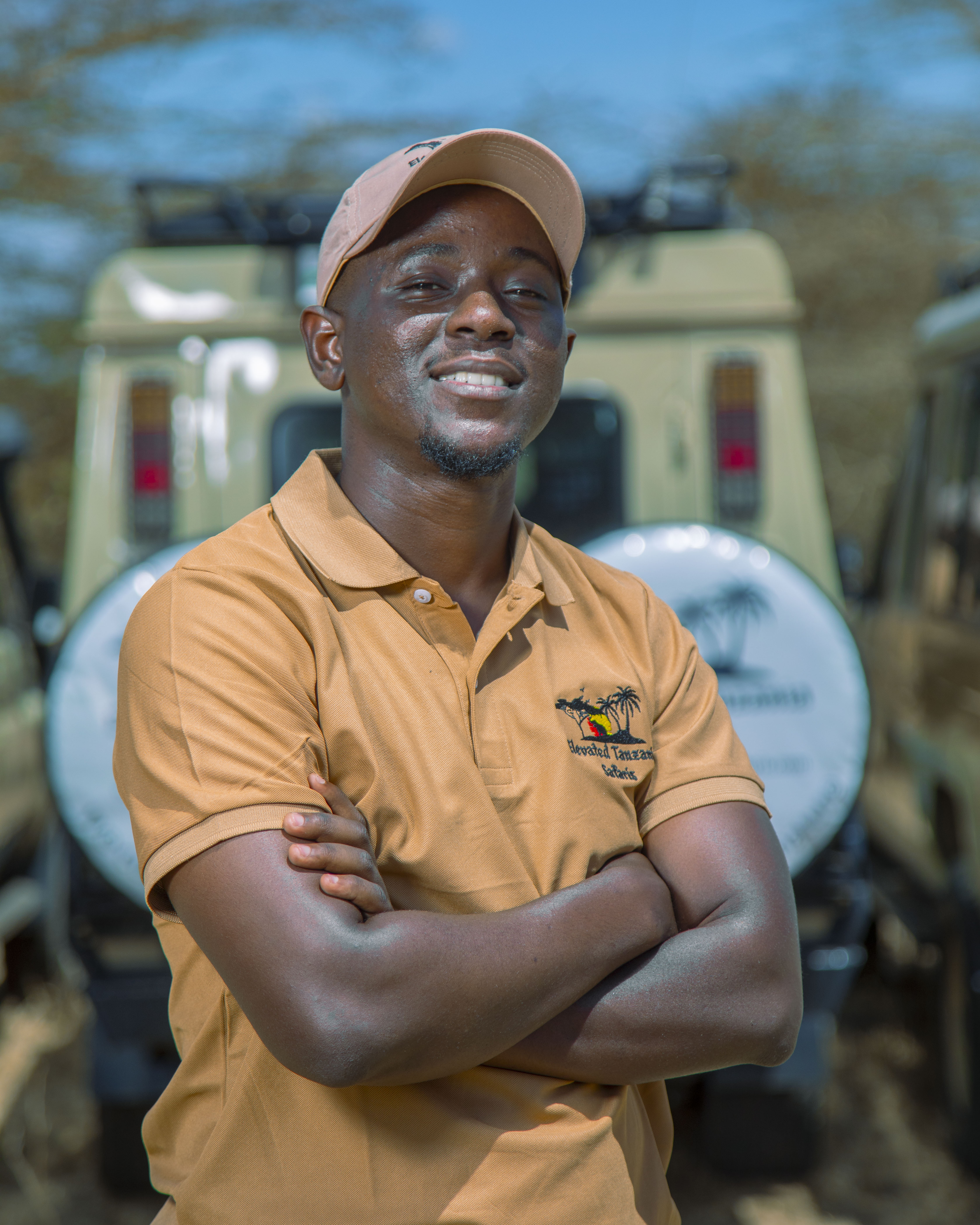
Ready to pack for your safari? Elevated Tanzania Safaris will guide you through every detail—from luggage limits to game-drive essentials.
Plan Your Safari