Region
Northern
Best time to visit
June–October (dry); November–May for birdlife and greener scenery
Key wildlife
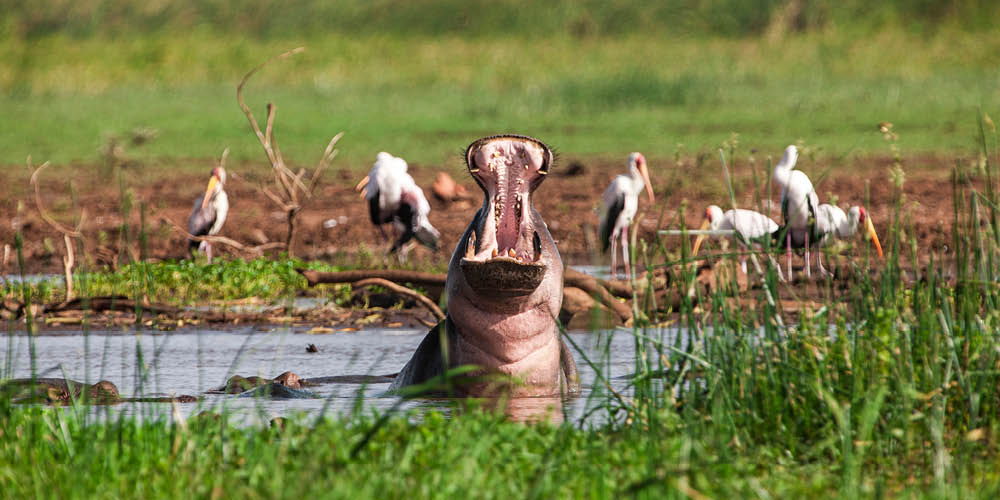
Elephant, buffalo, hippo, flamingo, baboon, lion (including ‘tree-climbing’ behaviour)
Set in the Great Rift Valley, Lake Manyara stuns with tree-climbing lions, vibrant flamingos, underground forests, hot springs, and canopy walks—a rare mix of scenery, wildlife, and adventure.
Experience the Magic of Lake Manyara
Prepare for a journey of endless "Wows" as you explore the hidden gem of Lake Manyara National Park. Nestled against the dramatic backdrop of the Great Rift Valley Escarpment, this park offers a breathtaking contrast of lush groundwater forests and shimmering soda lake shores.
Witness the park's legendary tree-climbing lions, a rare phenomenon that defines the unique spirit of this wilderness. Whether you are capturing the perfect shot of diverse wildlife posing against the landscape or marveling at the thousands of flamingos painting the lake pink, Manyara delivers a masterclass in biodiversity.
From its vibrant birdlife to its rich local cultures, Lake Manyara is the perfect fusion of adventure and natural beauty.
The Hidden Jewel of the Rift: Why Lake Manyara is Unmissable
Lake Manyara National Park is a breathtaking ecological powerhouse tucked at the foot of the dramatic Great Rift Valley wall. Often called Tanzania’s "scenic jewel," this park proves that size isn't everything, offering a concentrated dose of African wilderness that is as accessible as it is unforgettable.
What truly sets Manyara apart is its extraordinary diversity of landscapes. Within a single afternoon, you can transition from the cool shade of a lush, jungle-like groundwater forest to golden acacia woodlands and shimmering alkaline shores. This rich variety of habitats supports a spectacular array of wildlife:
The Legends: It is world-renowned for its famous tree-climbing lions, a rare behavioral phenomenon that defines the park’s unique spirit.
The Giants: Home to some of the most impressive elephant herds in Northern Tanzania, frequently seen roaming through the dense forest.
The Birdlife: A paradise for birdwatchers, where over 400 species thrive, including a seasonal "pink blanket" of thousands of flamingos painting the lake’s edge.
Because of its ideal location near Arusha, Lake Manyara is the ultimate high-impact addition to any Northern Circuit safari. Whether you are stopping for an action-packed game drive or a cultural detour, it provides a vibrant, multi-sensory retreat that perfectly balances rugged wilderness with stunning scenic artistry.
At the Edge of the Abyss: The Geography of Lake Manyara
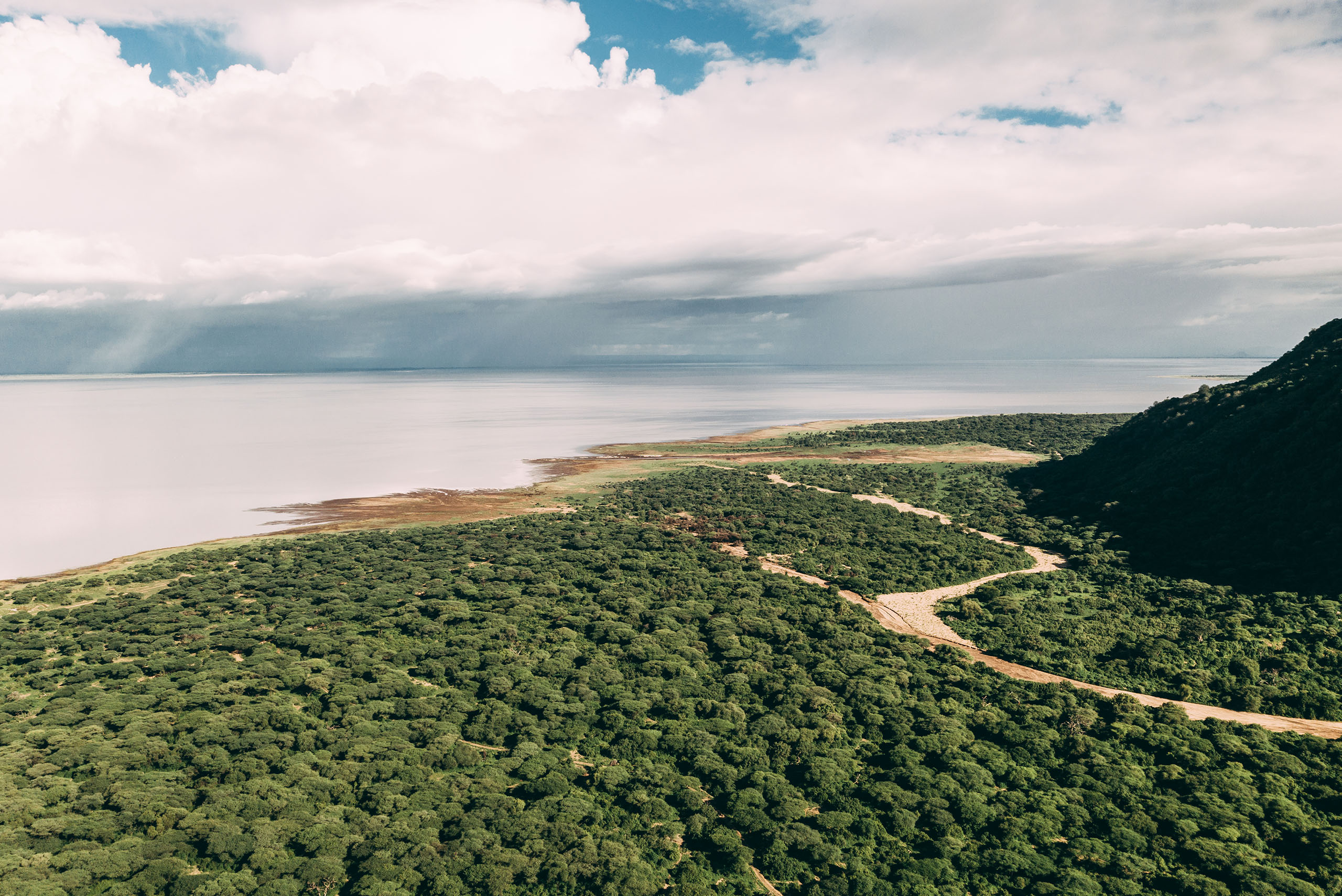
Situated in the shadow of the Great Rift Valley Escarpment, Lake Manyara National Park is a narrow, high-impact sanctuary spanning the Arusha and Manyara regions. Its dramatic geography is defined by a massive 600-meter sheer cliff that drops onto a valley floor dominated by the shimmering, alkaline Lake Manyara.
The park’s true magic lies in its "compact diversity"—a rapid succession of distinct ecosystems that feel like several parks in one:
The Groundwater Forest: A lush, evergreen entrance fed by underground springs, dominated by ancient mahoganies and massive wild fig trees.
The Acacia Woodlands & Savannah: Open plains and scrubland that provide the perfect backdrop for spotting tree-climbing lions and towering giraffes.
The Lake & Marshlands: A dramatic "closed-basin" soda lake with no outlet, surrounded by expansive salt flats and marshes that host thousands of flamingos.
This unique vertical landscape, where the rugged rift wall meets the tranquil soda lake, creates one of the most photogenic and ecologically rich stops on the entire Northern Safari Circuit.
An Avian Paradise: Birdwatching in Lake Manyara
For bird enthusiasts, Lake Manyara National Park is arguably the crown jewel of Tanzania. While larger parks offer vast plains, Manyara’s compact variety of ecosystems allows you to record over 100 different species in a single day. With a total count exceeding 400 species, it is a high-octane birding destination that turns every safari drive into a vibrant scavenger hunt.
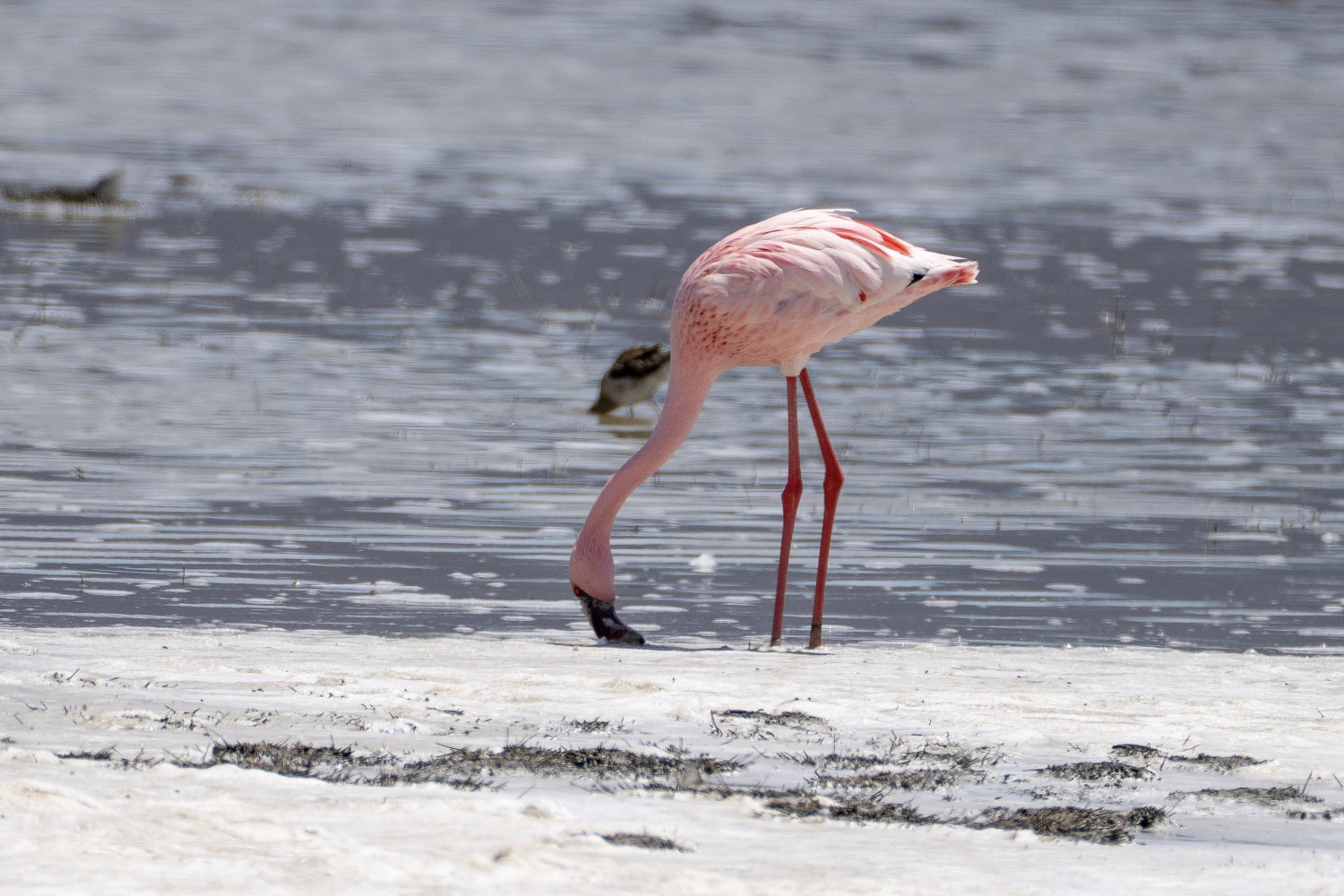
The "Pink Blanket": A Flamingo Masterpiece
The park’s most iconic spectacle is the massive congregation of Flamingos that transform the alkaline lake into a shimmering sea of pink.
Greater Flamingos: Distinguished by their taller stature, whitish-pink plumage, and black-edged wings.
Lesser Flamingos: Though smaller, they are much more vibrant, boasting deep pink feathers and dark, specialized bills.
The Experience: Witnessing a "communal lift-off"—where thousands of wings beat the air in a synchronized pink explosion—is a sensory experience that defines the magic of the Rift Valley.
Why Manyara Wins for Birders
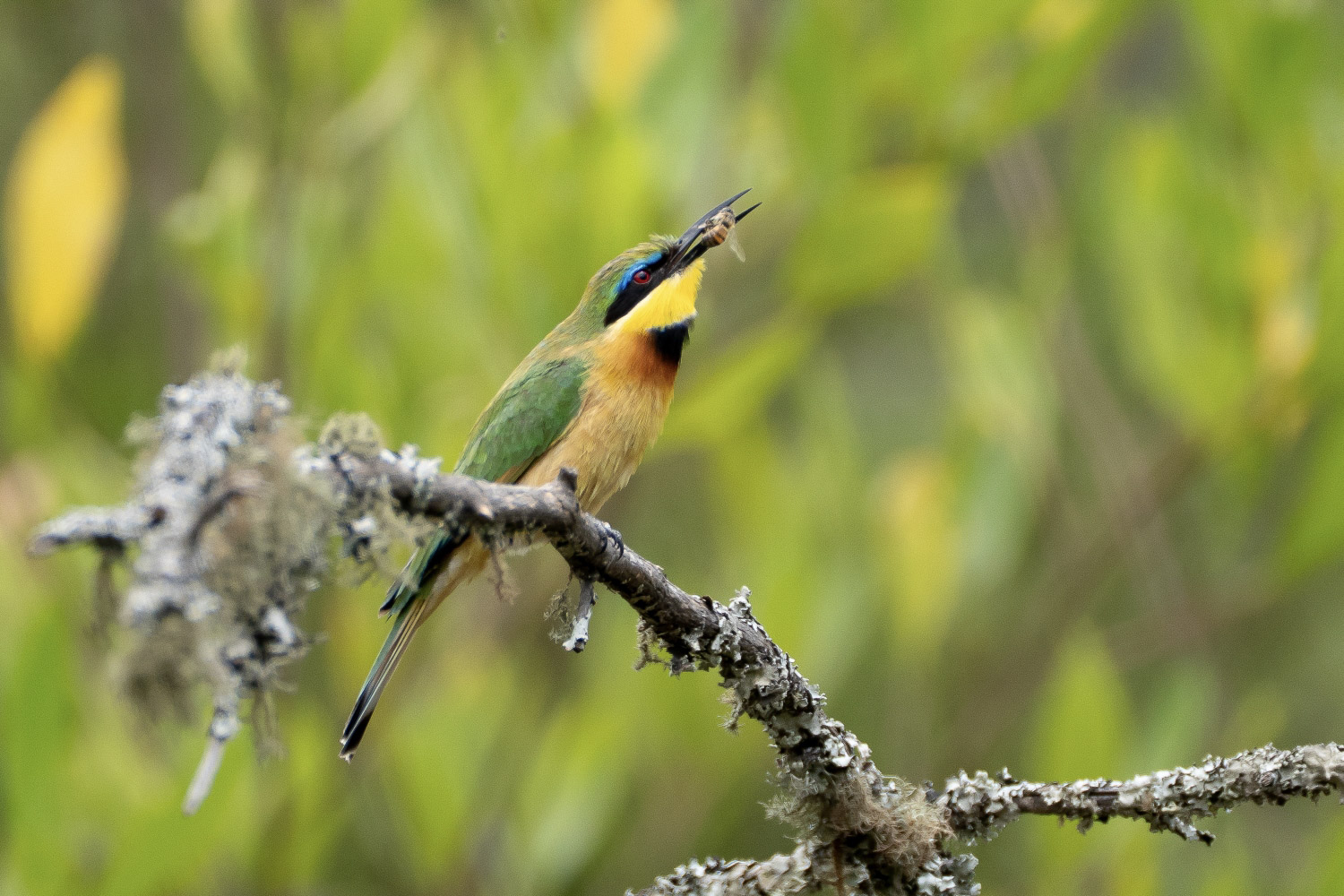
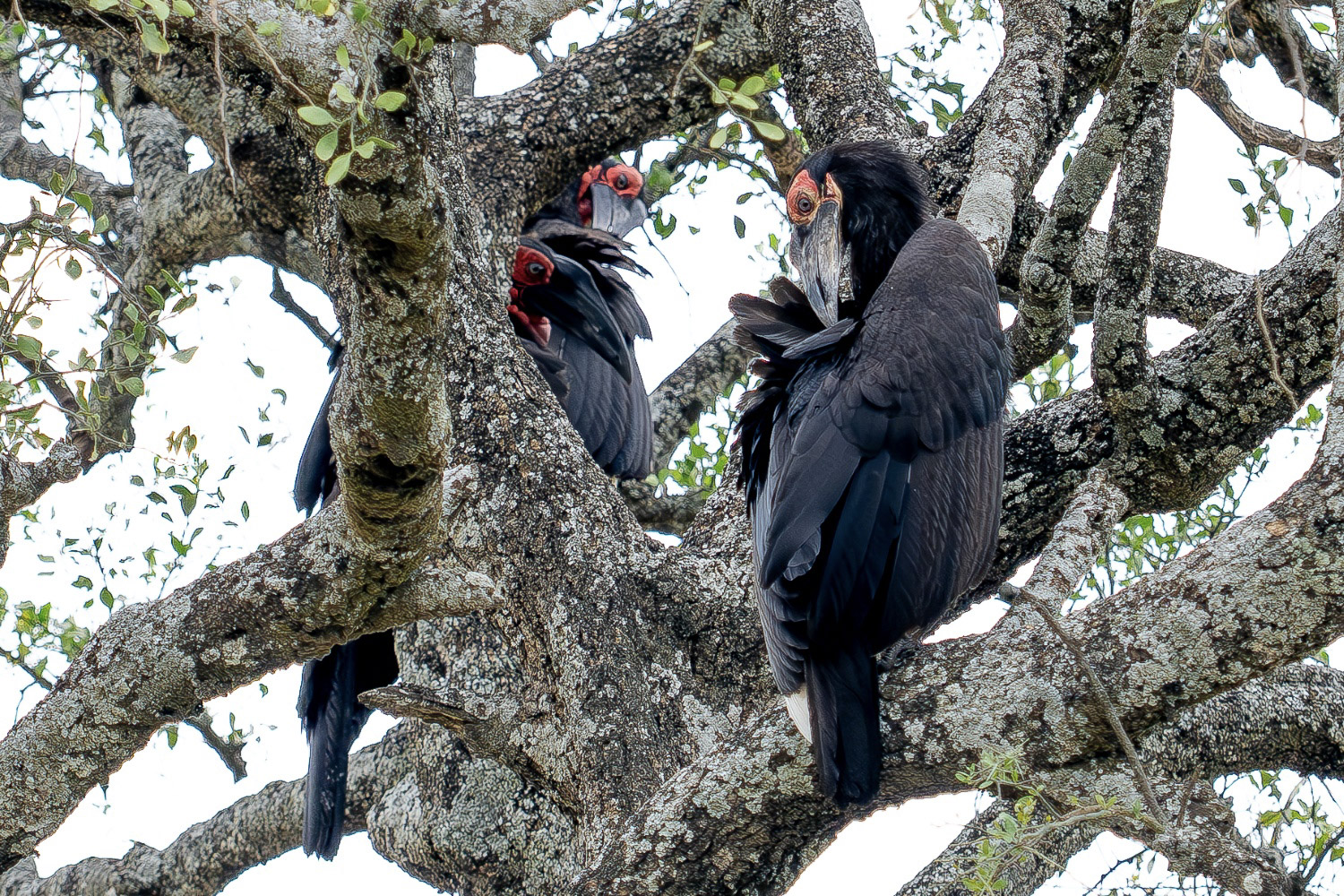
Density: The transition from groundwater forest to soda lake happens in minutes, meaning you switch from forest hornbills to aquatic pelicans and storks almost instantly.
Year-Round Activity: While the Wet Season (November to May) brings migratory species from Europe and North Africa, the resident population ensures spectacular birding all year long.
The Perfect Backdrop: The silver-blue waters of the lake and the emerald green of the forest provide a world-class canvas for wildlife photography.
Whether you are a seasoned ornithologist or a casual traveler, Lake Manyara offers a "Dreamland of Birds" that is unmatched in its beauty and accessibility.
Key Highlights That Make Lake Manyara National Park Unique
Now that we’ve covered all the major aspects of Lake Manyara National Park Safaris, it’s time for a refresher! Here are some of the central highlights of Lake Manyara National Park:
The centrepiece of the park – Lake Manyara, provides a stunning backdrop for wildlife sightings.
Home to an extensive array of wildlife – ranging from mammals and primates to several herbivores, antelopes, and tree-climbing lions.
The park is home to the largest population of baboons on the planet.
The varied vegetation ranges from lush forests to open grasslands.
Unique habitats like an umbrella, acacia, sausage, and baobab trees provide a life-nurturing force for a variety of wildlife and birdlife.
The best Tanzania National Park to see a full display of high-flying avians with more than 400 documented species of birds.
The wet season of the park brings with it several migratory birds, with the highlight being the plumage of beautiful pink flamingoes.
The soothing Maji Moto Hot springs are located inside the park’s premises, and visiting here is the most relaxing and refreshing.